The safest way to clear a toilet without a plunger is to pour hot (not boiling) water and a squirt of dish soap into the bowl, wait 15 to 20 minutes, and flush gently. Soap helps lubricate the blockage, and warm water softens it. If the water level is already near the rim, do not flush again, since the bowl can overflow.
If that fails after one or two tries, stop and call. Repeated forcing can push the clog deeper or damage a seal.
First, protect the floor
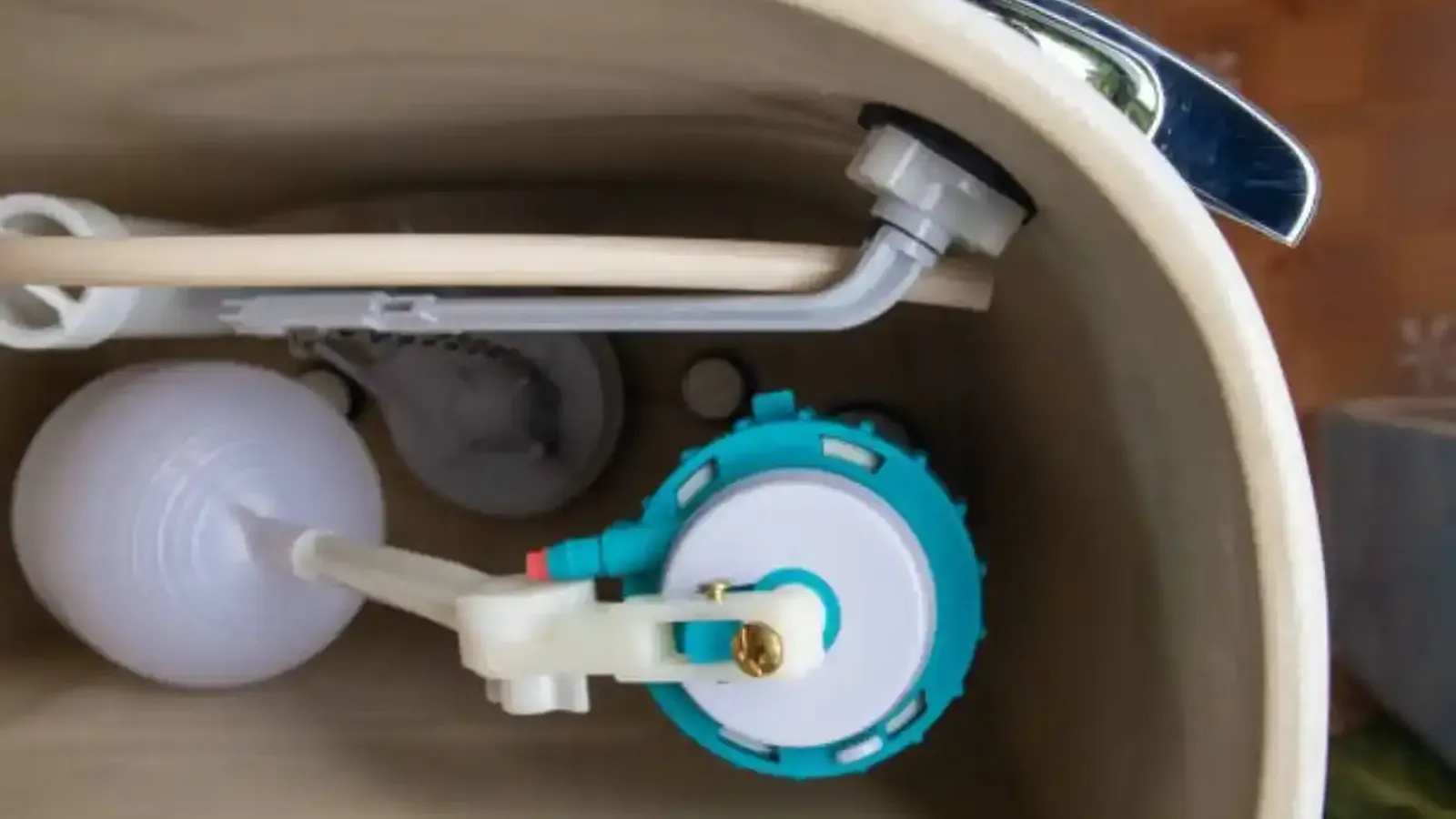
Before you try anything, lay towels around the base and put on rubber gloves. Turn the supply valve behind the toilet clockwise to stop the tank from refilling. If the bowl is close to overflowing, lift the tank lid and push the flapper closed to stop more water entering the bowl.
Do not keep flushing to see whether it works. Each flush adds water that has nowhere to go.
Method one: hot water and dish soap
Hot water and dish soap
- Pour about half a cup of liquid dish soap into the bowl.
- Heat a bucket of water until it is hot from the tap or a kettle, but not boiling.
- Pour the water in from waist height so it lands with some force.
- Wait 15 to 20 minutes while the soap works down the drain.
- Flush once, gently, with your hand ready to close the flapper.
Boiling water is a bad idea. Sudden heat can crack a porcelain bowl, and it can soften the wax seal under the toilet.
Method two: a wire hanger or a toilet auger
A straightened wire hanger with a rag wrapped around the hook end can break up a soft clog near the trap. Go slowly and avoid scratching the porcelain. A toilet auger, sometimes called a closet auger, is made for this job and has a protective sleeve.
Feed the auger in, crank the handle to catch the blockage, then pull back or push through. If you feel hard resistance, stop. Something solid, such as a toy, may be stuck.
Method three: baking soda and vinegar
Baking soda and vinegar, done safely
- Use only baking soda and plain white vinegar. Add no commercial cleaner.
- Pour one cup of baking soda into the bowl first.
- Add two cups of vinegar slowly, and expect foaming.
- Wait 20 to 30 minutes, then pour in hot tap water.
- Flush gently once to test.
- Stop if the bowl fills higher at any point.
This works best on light clogs from too much toilet paper. It does not cut through a solid object.
Never mix chemicals
Do not mix drain or bowl cleaners
Never combine bleach, ammonia, toilet bowl cleaner, or drain opener in the same bowl. Some of these combinations release toxic gases. Even if a product did not work, do not add another one on top of it.
If you already used a chemical drain product, tell the plumber. The standing water may contain it and can burn skin.
Also skip chemical drain openers in toilets generally. They can damage the bowl and the pipes, and if they fail you have a bowl of harsh liquid to deal with.
Why a plunger is still the first tool to buy
A flange plunger, the kind with a soft rubber lip that fits the drain opening, moves water back and forth and breaks up most paper clogs in under a minute. If you do not own one, the methods above are fine for a one-time fix. But a plunger costs little compared with a service call, so keep one near each toilet.
Use a steady push and pull rather than hard jabs, and keep the cup under water. If the bowl is nearly empty, add water first so the cup has something to push.
What the clog might be
| What you see | Likely cause | What to do |
|---|---|---|
| Water rises then drains slowly | Soft blockage, too much paper | Try soap and hot water |
| Gurgling in other drains | Blockage further down the line | Stop and call a plumber |
| Water backs up into a tub or shower | Main drain issue | Stop using fixtures and call |
| Repeated clogs in one toilet | Partial blockage or a toy or object | Call for an auger or camera |
| Sewage smell with standing water | Possible sewer line problem | Keep people away and call |
If other drains in the house act up at the same time, the problem is probably past the toilet. That is a job for a drain cleaning visit, because a plunger or auger at the toilet will not reach it.
When to stop and call a plumber
Stop and call if the water keeps rising, if more than one fixture is affected, if the toilet is leaking at the base, or if you suspect a foreign object. Also call if sewage is coming up anywhere, and keep children and pets out of the area. Sewage can carry bacteria, so wash hands well and do not use the affected fixtures.
For overflows and backups outside business hours, our emergency line is open around the clock. See our toilet repair page for what a visit covers.
Prevent the next clog
- Flush only toilet paper and human waste
- Skip "flushable" wipes, which tend to snag in pipes
- Keep a plunger in the house even if you prefer other methods
- Use less paper per flush in older, low-flow toilets
- Teach children not to flush toys or extra paper
Older fixtures flush differently from newer low-flow models. If one toilet clogs often while others do not, the fixture itself may be the problem. Builder-grade toilets in newer homes can also be weak flushers.
Helena and nearby towns
Helena's growth since 1990 means many homes have toilets installed in the 2000s or later. Low-flow models from that period are generally fine but can clog with heavy paper use. If a clog returns, we serve Helena and homes in Pelham and Chelsea with after-hours help.
Toilet clog questions for Helena homeowners
Hot tap water is fine. Boiling water can crack the porcelain or damage the seal, so let it cool a bit first.
We advise against it. Chemicals can damage the bowl and pipes, and they leave harsh liquid behind that is dangerous to work around.
If more than one drain is slow, gurgling, or backing up, the blockage is likely downstream of the toilet. Stop using water and call.
Our 24/7 emergency line is (855) 575-2890. Shut off the supply valve behind the toilet first to stop more water.
Do not flush again. A plumber can retrieve objects with the right tools and avoid pushing them farther into the line.