
If water is rising in the bowl, reach behind the toilet and turn the oval-handled supply valve clockwise until it stops. Lift the tank lid and push the flapper down if the tank keeps filling. Then call call (855) 575-2890. Our 24/7 emergency line is answered at night and on weekends, and we can book a Helena visit the same day when appointments are available.
Overflow, leak, or constant running: which one do you have?
Most toilet calls fall into three groups. The bowl is clogged and rising, water is leaking from the tank or the base, or the tank refills over and over without anyone touching it. Each has a different cause and a different fix, so the first job is naming the symptom.
| Symptom | Likely cause | What to do first |
|---|---|---|
| Bowl rises and will not drain | Clog in the trap or the line behind it | Shut the supply valve, stop flushing, call |
| Water around the base | Failed wax ring or loose closet bolts | Shut the valve, mop up, keep weight off the seat |
| Tank refills every few minutes | Worn flapper or fill valve | Close the supply valve if the noise will not stop |
| Water drips from the supply line | Cracked or loose connector | Close the valve at the wall and call |
| Gurgling after a flush | Partial blockage or a venting problem | Stop using nearby drains and call |
A toilet problem that cannot wait until morning
A toilet leak is not always a small problem. Water at the base can soak the subfloor, and a ceiling below a second-floor bathroom can stain or sag within hours. If sewage is on the floor, treat it as contaminated and keep children and pets out of the room.
Call right away if the bowl overflows with the valve shut, if water is reaching a ceiling below, or if both toilets in the house will not flush. That last pattern usually points to the main line instead of one fixture. Our drain cleaning crew handles that side of it.
Never touch a light switch or outlet while standing in water. If water has reached an outlet or a power strip, shut off that circuit at the panel only if you can reach it dry, or leave the room and call 911 if you feel unsafe.
What we look at when we arrive
We start by watching the toilet work. A flush test shows whether the bowl drains clean, whether the tank refills properly, and whether anything weeps at the base or the supply line. Then we pull what is needed to fix the cause instead of the symptom.
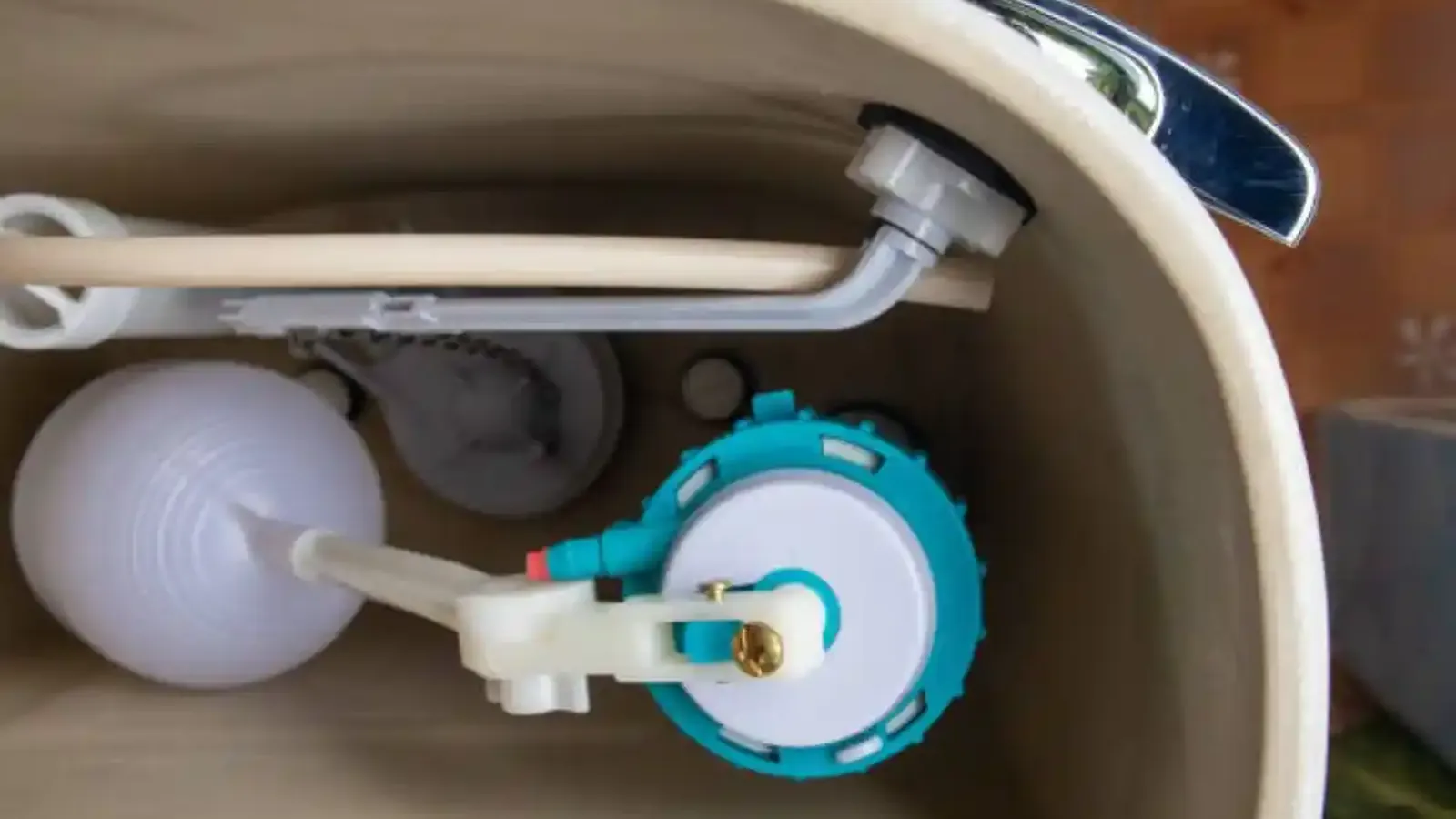
For a rocking toilet or a damp floor, that usually means lifting the bowl, checking the flange, and setting a new wax ring or seal. For a running toilet, it means the flapper, fill valve, or flush valve inside the tank. For a bowl that will not clear, it means augering the trap and testing the line past it.
Repair or replace the toilet
Not every toilet is worth saving. A cracked bowl or tank cannot be sealed, and a toilet that has needed repeat visits may cost more to keep fixing than to swap. Older units that use far more water per flush can also be worth retiring when a repair is already on the table.
- Repair: a worn flapper, fill valve, supply line, or wax ring on a sound bowl.
- Replace: a cracked porcelain, a loose or damaged flange that keeps failing, or a model with parts nobody stocks.
- Look at the flange first: a toilet that keeps rocking after a new seal often has a floor or flange problem, not a bad toilet.
If you are leaning toward a swap, tell us on the call. We can talk through new installation and removal of the old toilet before we arrive.
Before the plumber arrives
- Close the supply valve behind the toilet (clockwise).
- Stop flushing and keep everyone out of the bathroom if water is on the floor.
- Mop standing water with towels and open a window or run a fan.
- Move rugs, bath mats, and anything valuable away from the wet area.
- Take a photo of any damage for your insurance claim.
- Keep a bucket nearby in case the tank or line drips while you wait.
What affects the price of a toilet repair
- Cause of the problemA new flapper or fill valve is a small job. A damaged flange or a hidden drain blockage is a bigger one.
- Parts and the toilet modelCommon parts are quick to source. Older or specialty models can take longer.
- Floor and flange conditionWater-damaged subfloor or a corroded flange adds repair steps before the toilet can be reset.
- Repair or full replacementReplacing a toilet adds the new unit, haul-away of the old one, and setting time.
- Time of the callAfter-hours and weekend visits are priced differently from a daytime appointment, and we say so first.
Many homeowner policies cover sudden water damage but not the failed part itself. If a leak soaked a floor or ceiling, ask your insurer before repairs begin and keep your photos and the invoice.
Want your real number? Call (855) 575-2890Toilets in Helena homes
Most Helena houses outside Old Town went up after 1990, when the city grew from 3,918 residents to 20,914 in 2020. That means a lot of builder-grade toilets and fill valves now at the age where flappers harden and supply lines weep.
If yours is a first-owner fixture in a newer subdivision such as Old Cahaba, Dearing Downs, or Riverwoods, a running or ghost-flushing toilet is a good sign to replace the internals soon, before a stuck valve fills a bathroom at 2 a.m.
Older homes in Old Town Helena can have a different problem. Original flanges and old drain lines may be worn, so a rocking toilet there is worth a proper flange check. For anything touching water bills, the City of Helena Utilities Board at (205) 663-1670 can tell you how your account is read.
Where we cover
We serve Helena and nearby towns, including Pelham and Alabaster. If a toilet problem is part of a larger leak, our leak detection service can trace water that is not obvious. Related fixture work, such as a tub or sink valve that will not close, is covered on our faucet repair page.
Toilet repair questions
Yes. Our emergency line is open around the clock, so an overflowing or leaking toilet is handled at night and on weekends too. Same-day appointments are offered when available, and you get a clear price before work starts.
Usually not until it will not stop. A constant fill wastes water and can raise your bill, so it is worth fixing soon. If you cannot quiet it, close the supply valve and call.
The usual cause is a worn wax ring or loose closet bolts. It can also be a tank-to-bowl seal or a supply line dripping onto the floor. Shut the valve and call before the water reaches the subfloor.
Two fixtures failing together usually points to a blockage in the main line, not the toilets. Stop using water and call. We can look at the line and clear it.
Yes. If the bowl is cracked or repair is not worthwhile, we can remove the old unit and set a new one. We tell you which makes sense before we start.
Clean tank water is not, but bowl or drain water can carry bacteria. Wear gloves, keep children and pets away, and disinfect afterward. Keep clear of outlets and call 911 if you smell gas or see sparks.