
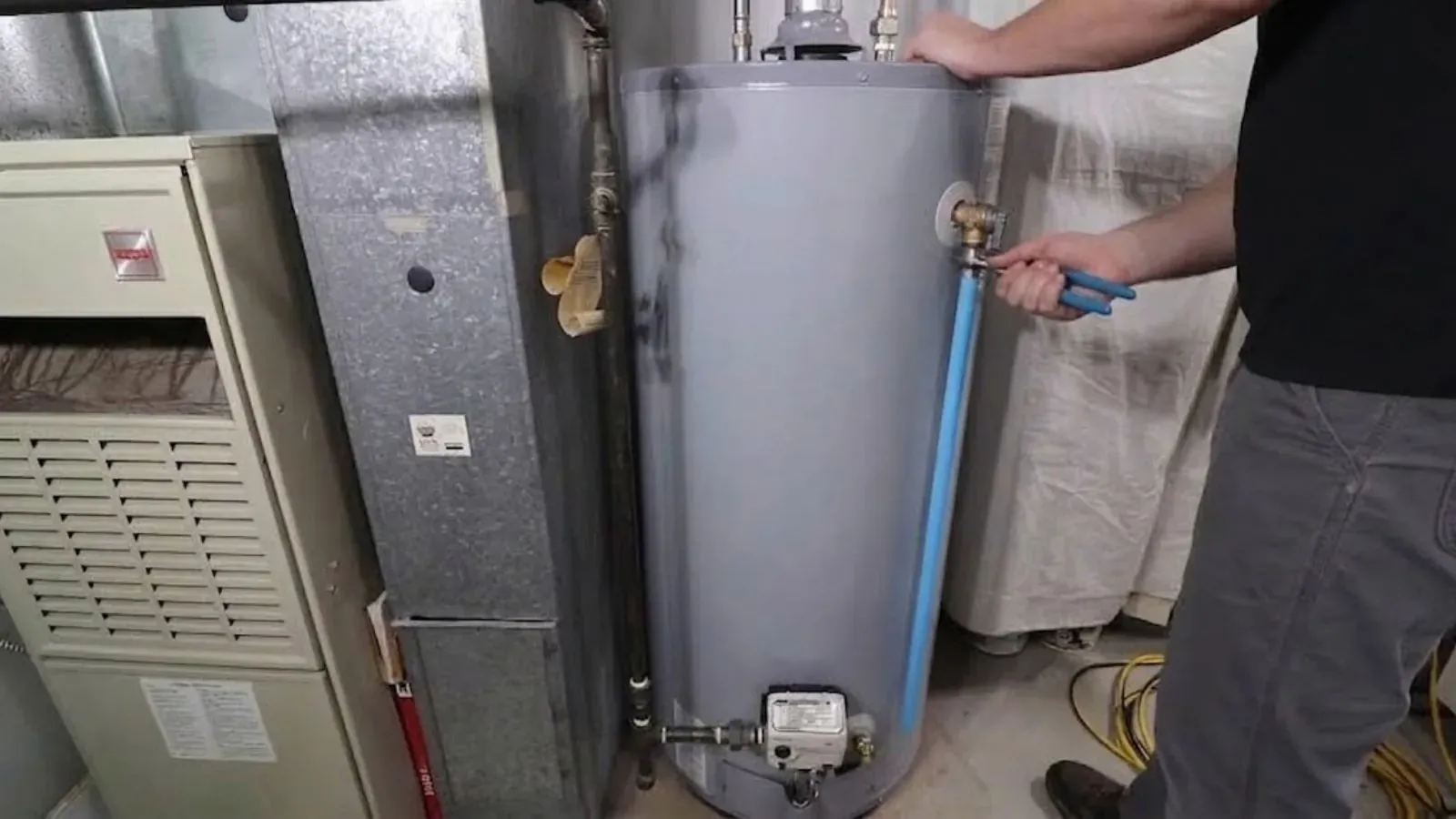
Water heater installation codes are rules that set how a heater must be placed, connected, vented, and protected. They exist because a water heater holds hot water under pressure and, if gas fired, burns fuel. This post describes the kinds of things codes commonly address in general terms. It does not state Helena's specific rules.
For what applies to your address, ask the Helena building department. That is the office that can tell you about permits, inspections, and any local changes.
Why codes exist for water heaters
A water heater can fail in dangerous ways. A tank can overpressure, a gas appliance can leak fuel or exhaust, and an electric unit can short. Codes try to reduce those risks by setting minimum standards for installation.
They also protect later owners. A heater that was installed to a recognized standard is easier to inspect, insure, and sell.
Topics codes typically address
| Topic | General idea | Why it matters |
|---|---|---|
| Location | Where the heater may be placed | Keeps it accessible and away from hazards |
| Clearances | Space around the unit | Allows safe operation and service |
| Venting | How exhaust gases leave a gas or oil unit | Prevents carbon monoxide in the home |
| Combustion air | Fresh air supply for fuel burning heaters | Needed for safe burning |
| Pressure relief | A valve that releases excess pressure | Prevents tank failure |
| Drain and discharge | Where relief water goes | Avoids scalding and water damage |
| Expansion control | Handles pressure from heated water | Protects pipes and fixtures |
| Gas and electrical | Safe connections | Prevents leaks, shorts, and fires |
Model codes such as the International Plumbing Code (IPC) and the Uniform Plumbing Code (UPC) are published for towns and counties to adopt, often with local changes. Which rules apply at your address depends on what the local building department has adopted, so ask them before work starts.
Think of this table as a list of questions, not rules. Local adoption of codes varies, so the answer to each one comes from the local authority.
Questions to ask the Helena building department
Ask before the install
- Do I need a permit to replace or install a water heater?
- Does the work require an inspection, and who schedules it?
- Which plumbing and fuel gas codes are in force here, and which edition?
- Are there local rules for heater location or venting?
- Who can do the work, and what license is required?
- What documents do I need to keep after the job?
Write down the answers and the name of the person who gave them. If the plumber you hire pulls the permit, ask for a copy.
What a good installation includes in practice
A properly installed heater has a working pressure relief valve with a discharge pipe pointed to a safe place. It has shutoff valves so it can be isolated for service. Gas units have a vent that slopes correctly and a gas connection that is leak tested.
Many installations also include a drain pan or a safe floor drain where leaks would otherwise damage the house. Ask your installer what protections they plan to include and why.
Gas, electric, and tankless differences
Each heater type brings its own concerns. A gas unit raises questions about the vent, combustion air, and gas piping. An electric unit raises questions about the circuit, wire size, and breaker. A tankless unit often involves both, plus a bigger gas supply or electrical load than a tank.
When you ask the building department a question, say which type you have in mind. The answer for a tank may differ from the answer for a wall-mounted tankless unit. Our tankless water heater page explains how those installs differ.
Why a plumber, and how to check one
Code compliance is not only about the parts. It is about how everything fits together. A licensed plumber knows how to size the vent, connect the gas, and set the relief valve.
You can check a plumber's license through the Alabama Plumbers and Gas Fitters Examining Board's public licensee lookup. Ask for the license to be verified before work begins, and get the scope and price in writing.
Cost factors tied to code
How code related work can affect the price
- Venting changesA new or moved vent can add labor and materials.
- Gas line workAn undersized or old gas line may need to be corrected.
- Permit and inspectionThere may be fees and scheduling time. Ask the building department.
- Relief valve and discharge pipeThese are required safety parts and are included in a proper install.
- Location changesMoving a heater to a different spot adds plumbing and sometimes electrical work.
Home insurance usually covers sudden water damage but not the cost of bringing equipment up to current standards. Ask your agent about coverage for permit related work.
Want your real number? Call (855) 575-2890Steps from decision to finished install
How a code aware installation proceeds
- Choose the type of heater, tank or tankless, gas or electric.
- Ask the Helena building department about permits and inspections.
- Hire a licensed plumber and get a written scope and price.
- Have the permit pulled if one is required.
- Install the heater with the required safety parts.
- Schedule and pass any inspection.
- Keep the paperwork and the manual together.
Safety checklist around a water heater
- If you smell gas, leave the building and call 911 or your gas utility
- Never block the vent or the area around a gas heater
- Check that the relief valve discharge pipe is in place
- Test your carbon monoxide alarm if a gas heater is in the home
Replacing an older heater
When you replace an old heater, you often discover that things around it have changed. Codes may have changed since the first install. A vent may no longer meet current practice, or the relief valve discharge may not be set up as expected.
If your heater is old, look at our water heater replacement page for what a swap typically involves. For a new install in a space that never had one, water heater installation covers the planning.
We serve Helena and nearby homes in Pelham and Chelsea. Each town has its own building office, so a permit in one place does not automatically apply in another.
Water heater code questions in Helena
We cannot state local rules. Ask the Helena building department.
The installer is generally responsible for doing the work properly, and the permit holder deals with the building office. Ask your plumber who will handle it.
Some owners do, but gas, venting, and pressure parts carry real risk. Ask the building department what is allowed.
It is a safety part that opens if pressure or temperature gets too high. It should have a discharge pipe routed to a safe place.
Call (855) 575-2890. We give a clear price before work starts.